Guides
Debt Relief Options
If debt feels bigger than you can handle, you still have options. Bankruptcy is one path, but not the only one — and understanding the differences can help you take the next step with less fear.
What debt relief options usually mean
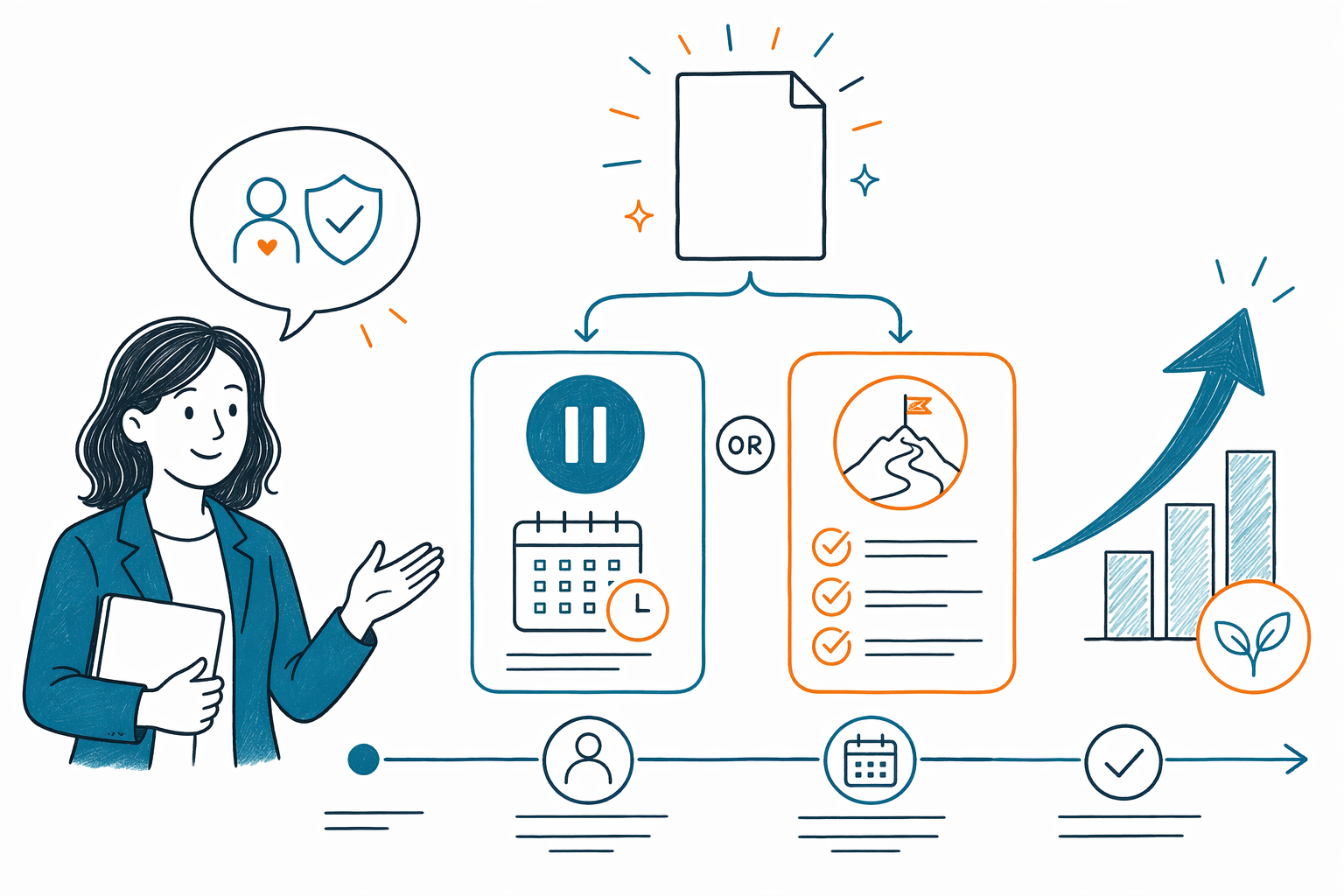
Debt relief is a broad term. It can include budgeting help, hardship programs, settlement offers, consolidation, and consumer bankruptcy. Each option works differently, and the best fit depends on what kind of debt you have, how far behind you are, and whether you need fast legal protection from collections, a lawsuit, wage garnishment, or foreclosure.
Some options try to lower payments or give you more time. Others try to settle for less than the full balance. Bankruptcy is different: it is a federal court process that can stop many collection actions right away once a case is filed, through the automatic stay. In the right case, it can also discharge some unsecured debts or create a court-approved repayment plan.
No option is perfect, and no honest service should promise to erase every debt. Some debts usually survive bankruptcy, including most student loans, recent income taxes, child support and alimony, most court fines, and debts caused by fraud. Rules also vary by state and judicial district, especially exemptions, fees, and local practice.
CleanSlate Match is a free matching service, not a law firm and not a lawyer. We give general educational information and help connect people with a licensed bankruptcy attorney near them. We do not file cases or create an attorney-client relationship.
When non-bankruptcy options may fit
A non-bankruptcy option may make sense if your problem is temporary, your income is steady, and you can still realistically catch up. For example, if you had a short job loss, a medical issue, or a temporary drop in hours, you may be able to work out a hardship plan directly with a lender or servicer.
Debt management or negotiated payment plans may help some people with credit card debt, especially if they are not being sued yet and do not need immediate court protection. A consolidation loan may help only if the new payment is truly affordable and the loan does not put your car or home at risk.
These options do not usually stop a lawsuit automatically, and they do not create the same legal protection as a bankruptcy filing. If your wages are already being garnished, your home sale date is close, or collectors are moving fast, waiting too long to talk with a bankruptcy attorney can make your choices narrower.
You can learn more about common consumer bankruptcy paths at chapters or see the kinds of situations people ask about at services.
When bankruptcy may be the better fit
Bankruptcy is often worth discussing when your debts are larger than you can reasonably repay, even with a tighter budget. It can be especially important if you are facing wage garnishment, a foreclosure, repossession, a bank levy, or active collection lawsuits. Once a bankruptcy case is filed, the automatic stay usually pauses most collection efforts right away.
Chapter 7 and Chapter 13 are the two main consumer bankruptcy chapters. Chapter 7 may help people who qualify and who need a faster fresh start with dischargeable unsecured debts like many credit cards, personal loans, and medical bills. Chapter 13 is a repayment plan that can help some people catch up on mortgage arrears, car payments, or certain taxes over time while keeping property.
Bankruptcy does not mean you lose everything. Many people keep their home, car, household goods, and retirement accounts through exemptions or, in Chapter 13, through the plan structure. But what you can protect depends on state law, federal law where allowed, and the details of your case.
Bankruptcy also has limits. It does not usually erase child support, alimony, most student loans, recent tax debt, most criminal fines, or debts from fraud. A licensed bankruptcy attorney in your area can explain what may happen in your specific case.
How costs usually work
If you are comparing debt relief options, ask what you will really pay and what legal protection you will actually get. For consumer bankruptcy, most attorneys charge a flat fee, plus the court filing fee and a small required credit-counseling course fee. The real cost depends on the chapter, the complexity of the case, and the district. These are general ranges, not quotes.
For many straightforward Chapter 7 cases, attorney flat fees often fall around $1,000 to $2,500, plus a court filing fee that is currently a few hundred dollars, and a small credit-counseling fee. Chapter 13 attorney flat fees are often higher, commonly around $3,000 to $6,000 or more depending on the district and complexity, plus the court filing fee and the course fee. In many Chapter 13 cases, part of the attorney fee may be paid through the repayment plan, but local rules vary.
Costs can go up if you own a business, have many assets, recent property transfers, tax issues, multiple lawsuits, prior bankruptcy filings, or urgent foreclosure problems. Costs may be lower in a simpler case with fewer creditors and no unusual disputes.
Be careful with any company that is vague about price, pressures you to sign quickly, or sounds like it is selling a miracle. A good attorney should explain what the fee covers, what the court charges separately, and what bankruptcy can and cannot do.
Common mistakes people make when looking for relief
One common mistake is waiting too long because of shame or fear. Debt problems are common, and getting information early often gives you more choices. Another mistake is draining retirement money or borrowing from family before understanding whether bankruptcy or another legal option may have protected you better.
People also get into trouble when they trust broad promises like "settle everything" or "erase all debt." No honest professional can promise that. Outcomes depend on the type of debt, your income, your property, your recent financial history, and your state's exemption rules.
Another mistake is giving sensitive financial data too early to a matching service or lead form. CleanSlate Match only asks for contact information and general intent, such as your name, phone, optional email, state, preferred language, and a general sense of the problem. We do not ask for a Social Security number, bank account numbers, credit card numbers, or detailed account balances.
If you choose to speak with an attorney, ask whether they are licensed in your state, whether they regularly handle consumer bankruptcy, what chapter they think may fit and why, what debts may not be dischargeable, and what the total expected fees and court costs may be.
How to move forward, one step at a time
You do not need to decide everything today. A calm first step is to understand whether your situation looks temporary and manageable, or whether you need stronger legal protection soon.
- Make a short list of your main debt problems: credit cards, medical bills, mortgage arrears, car loan, lawsuit, garnishment, foreclosure notice.
- Note what is urgent: a court date, sale date, garnishment, shutoff, repossession risk.
- Gather basic mail you have received, without sending private account numbers through a web form.
- Learn the basics of chapters and the kinds of help people seek at services.
- Get matched, free, with a licensed bankruptcy attorney near you at get matched.
When you speak with an attorney, confirm the lawyer's bar license and ask for a clear explanation in plain language. If English is not your first language, ask whether language help is available. Bankruptcy law varies by state and district, so local advice from a licensed attorney matters.
CleanSlate Match is always free for the person seeking help. We are a matching service, not a law firm, and not your lawyer. We can help you take the next step toward a licensed bankruptcy attorney who can explain your real options.
Debt relief is not one single program, and a licensed bankruptcy attorney can help you understand which option honestly fits your situation.
Common questions
Is bankruptcy my only debt relief option?
No. Some people use hardship plans, negotiated payment arrangements, or other non-bankruptcy options. But if you are facing a lawsuit, wage garnishment, foreclosure, or debts you realistically cannot repay, bankruptcy may be the option worth discussing quickly with a licensed attorney.
Will bankruptcy erase all my debts?
No. Some debts usually survive, including most student loans, recent income taxes, child support and alimony, most court fines, and debts from fraud. What happens depends on the specific debt and the facts of your case.
Can bankruptcy stop garnishment or foreclosure?
Often, yes. When a bankruptcy case is filed, the automatic stay usually pauses most collections, garnishments, lawsuits, and foreclosure actions right away. There are exceptions and timing matters, so talk with a licensed bankruptcy attorney in your area as soon as possible.
How much does it cost to file bankruptcy?
Most consumer bankruptcy attorneys charge a flat fee, plus the court filing fee and a small required credit-counseling fee. Many straightforward Chapter 7 cases fall around $1,000 to $2,500 in attorney fees, and Chapter 13 often runs around $3,000 to $6,000 or more, but those are general ranges only, not quotes.
Does CleanSlate Match file bankruptcy for me?
No. CleanSlate Match is a free matching service, not a law firm and not a lawyer. We do not file cases or give legal advice; we help connect you with a licensed bankruptcy attorney near you.
What information do I need to share to get matched?
Only basic contact and general situation details, such as your name, phone, optional email, state, preferred language, and a short description of what is going on. We do not ask for a Social Security number, bank account numbers, or credit card numbers.
Related help
The means test decides whether you qualify for Chapter 7 — here is how it compares your income to your state's median, in plain language.
Open → Stopping Foreclosure With BankruptcyFiling bankruptcy triggers the automatic stay, which can pause a foreclosure — here is how that works and which chapter helps you keep your home.
Open → Stopping Wage Garnishment & Bank LeviesBankruptcy's automatic stop can halt wage garnishment and bank levies — here is what happens and how fast.
Open →